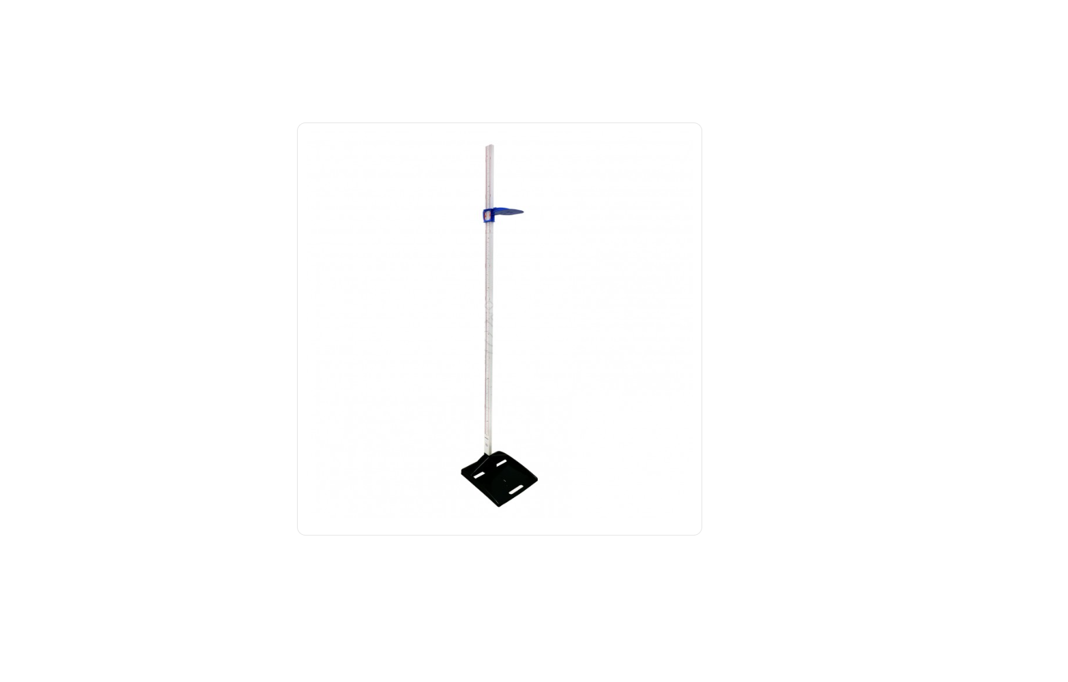
Manual Height Scale
Accurate height measurement using a wall-mounted stadiometer as a potential indicator of unappreciated vertebral fracture is considered a “vital sign” in osteoporosis assessment. Subsequently, the physical examination entails a search for secondary causes of bone loss and evaluation of falls risk. Potential physical findings indicative of secondary osteoporosis include striae (Cushing's syndrome), adenopathy (malignancy), blue sclerae (osteogenesis imperfecta), and organomegaly (malignancy and hepatic disease). In addition to osteoporotic fracture, other causes of back pain (e.g., vascular, infectious, and malignant) must be considered and sought at the time of the physical examination. Additionally, orthostatic blood pressure measurement and assessment of vision, muscle strength, and neurologic function should be performed to identify important comorbidities potentially leading to an increase in falls risk.