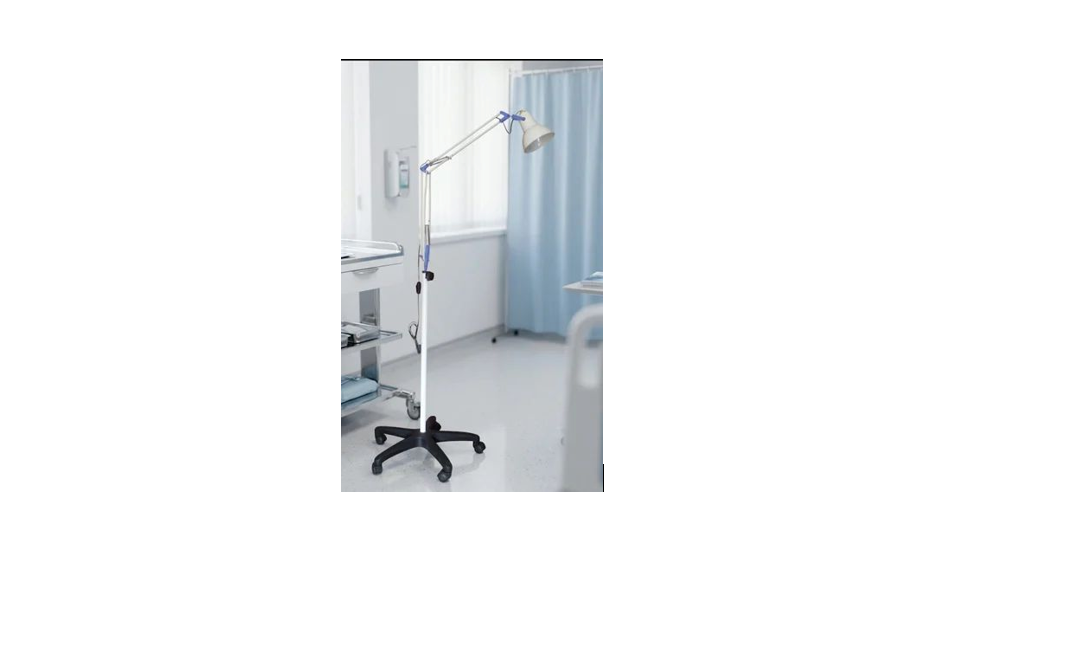
Examination Lamp
Examination lamps are a crucial component in healthcare settings, providing precise and adjustable lighting to assist clinicians during examinations, procedures, and surgeries. High-quality lighting solutions enhance visibility, support accurate diagnosis, and ultimately contribute to improved patient outcomes. With various options available, choosing the right medical examination light involves understanding their features, technology, and the capabilities of industry-leading brands.
In this blog post, we’ll explore different types of medical examination lights, their key functions, and highlight three main players in the market: Simeon Medical, Getinge, and Brandon Medical. By the end, you’ll have a better understanding of which lighting solutions are ideal for your facility’s specific needs.
Types of Examination Lights
Medical examination lights come in various forms, each designed to fulfill specific purposes in clinical and surgical environments. The right choice depends on the intended use, such as minor procedures, routine check-ups, or complex surgeries. Here are some of the main types:
General Examination Lights
General examination lights are versatile tools used for basic patient assessments and minor procedures. These lights are designed to offer consistent and shadow-free illumination with a focus on ergonomic handling. They typically feature adjustable arms and heads for flexible positioning, making them ideal for outpatient clinics, primary care offices, and emergency rooms.
Surgical and Procedure Lights
Surgical lights, also known as operating room (OR) lights, provide intense illumination required for intricate procedures. These lights are equipped with high lux levels (up to 160,000 lux or more) and adjustable color temperatures to minimize glare and reduce eye fatigue. They also come with features like a sterile control system, allowing surgeons to make adjustments during procedures without contaminating the sterile field.
Mobile Examination Lights
Mobile lights offer the convenience of portability and flexibility. Mounted on wheeled stands, these lights can be easily maneuvered to different locations within the hospital or clinic, providing targeted lighting wherever it’s needed. Mobile lights are typically used in emergency rooms, intensive care units (ICUs), and other settings that require rapid adjustments.
Wall- and Ceiling-Mounted Lights
Wall- and ceiling-mounted examination lights are fixed solutions designed for spaces that require permanent, high-quality lighting setups. They provide strong and stable illumination, making them ideal for examination rooms and surgical suites where precise lighting is essential.
LED vs. Halogen Lights
The technology behind examination lights has shifted significantly, with LED (Light Emitting Diode) technology largely replacing traditional halogen bulbs. LEDs offer higher efficiency, lower heat emission, and longer lifespans, making them the preferred choice for most modern medical lighting solutions. LED lights can also be adjusted for color temperature and brightness, providing a more comfortable experience for clinicians and patients alike.
Key Functions of Medical Examination Lights
High-quality examination lights serve a range of functions designed to support clinical workflows and enhance patient care. Here are some of the key functions to consider:
Shadow Reduction and Uniform Illumination
Shadow reduction is one of the most critical features of any medical examination light. High-quality lights are engineered to minimize shadows by distributing light evenly across the examination field. This is achieved through multi-reflector systems or strategically placed LED bulbs that provide consistent, shadow-free illumination.
Adjustable Color Temperature and Brightness
Different medical procedures require varying levels of brightness and color temperatures. Adjustable color temperature settings help clinicians differentiate between tissues, detect subtle changes in color, and maintain optimal visibility. This functionality is particularly valuable in surgery and dermatological exams, where precision is essential.
Ergonomic Design and Sterile Handling
Ergonomic design is crucial for enhancing clinician comfort and workflow efficiency. Examination lights should feature flexible arms, easy-to-adjust heads, and intuitive controls for positioning. In surgical settings, lights should also offer sterile handling options, allowing clinicians to adjust the light’s position and intensity without breaking the sterile field.
Low Heat Emission and Reduced Glare
LED examination lights produce minimal heat, making them ideal for lengthy procedures. High heat levels can cause discomfort to both patients and staff, making this a key consideration. Additionally, high-quality lights are designed to reduce glare, preventing eye fatigue and ensuring a clear view of the examination area.
Long Lifespan and Energy Efficiency
LED technology offers the dual benefits of a longer lifespan (often over 50,000 hours) and energy efficiency. This translates into reduced maintenance costs and lower energy consumption, making it a cost-effective solution for healthcare facilities.