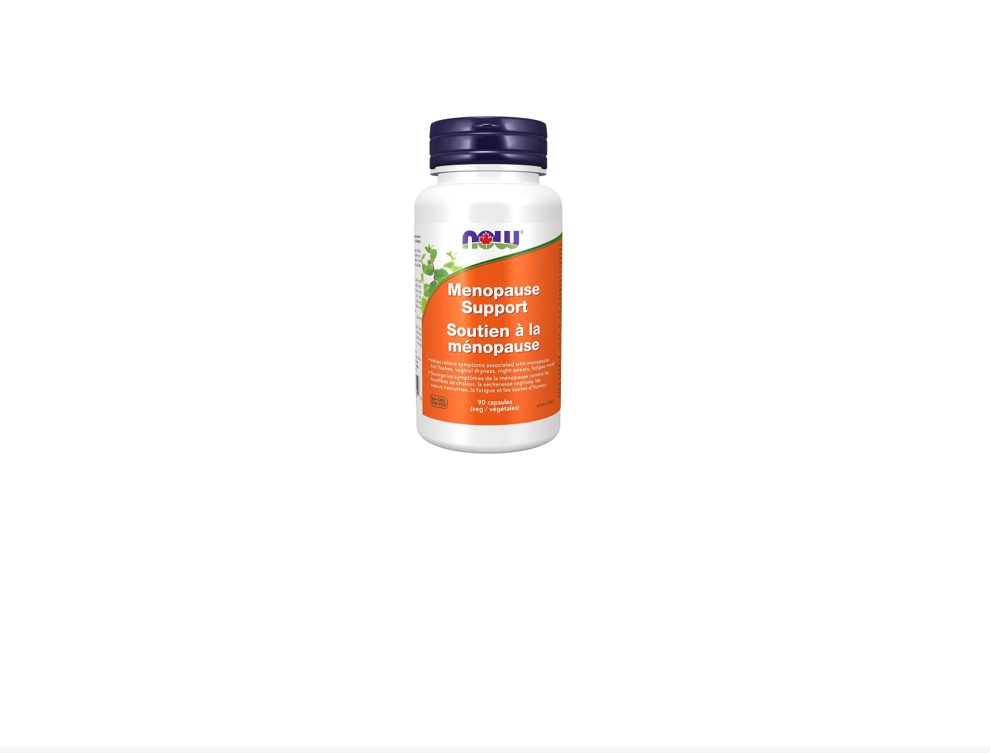
Menopause Support Supplements
Black Cohosh: Help for Hot Flashes?
Black cohosh is one of the most well-studied supplements for menopause. It's made from the root of the North American black cohosh plant. Several studies have found it helps -- especially with vasomotor symptoms such as hot flashes -- when compared to placebo (a fake treatment). But other studies haven't found a benefit. One warning: Don't use it if you have liver problems.
2 / 12
Flaxseed: Easing Night Sweats
Flaxseed and flaxseed oil may help some women with mild menopause symptoms. It's a good source of lignans, which tend to balance female hormones. Not all studies have shown these benefits in relieving vasomotor symptoms like night sweats.
3 / 12
Calcium: Preventing Bone Loss
Bone loss can become a serious problem once hormone levels drop after menopause. It's crucial to get enough calcium. Women under 51 need 1,000 milligrams of calcium a day. Women 51 and older need 1,200 milligrams a day.
Tip: It's best to get your calcium from food. If you need supplements to fill the gap, take smaller doses with food during the day (no more than 500 mg at a time). You'll absorb it better.
4 / 12
Red Clover: Popular but Unproven
Many women use red clover hoping that its natural plant estrogens will help ease some of their menopause symptoms. So far, though, the research results have been mixed.
Despite early concern, recent studies have not shown an increase in uterine cancer when women took red clover for 3 months. But it's always best to talk to your doctor if you're concerned.
5 / 12
Vitamin D: Get Some Sun
Vitamin D is just as important as calcium for bone health. Without vitamin D, your body can't absorb calcium. Most adults need 600 IU daily. Those 71 and older need 800 IU per day. Vitamin D is in many foods and supplements, but there's another source: the sun.
Tip: You may have heard that your body produces vitamin D when exposed to sun. That's true, but even small amounts of sun can lead to skin damage. It's best to focus on food and use supplements if you don't get enough in your diet.
6 / 12
Wild Yam: Alternative to Hormones
Pills and creams made from certain species of wild yam are popular alternatives to hormone therapy for menopause. Some of the natural compounds in these yams appear similar to estrogen and progesterone, but it's possible they are not active in people. So far, clinical studies have not found that they ease menopause symptoms.
7 / 12
Ginseng: Mood Booster
A few studies have found evidence that the different types of ginseng might help improve quality of life during menopause. Ginseng has been shown to boost mood and improve sleep. But so far, studies haven't found that either American or Korean ginseng helps with physical symptoms of menopause such as hot flashes.
8 / 12
St. John's Wort: Control Mood Swings
St. John's wort is a well-known treatment for mild depression. But it might also have a special benefit for women during menopause. There's some evidence -- particularly when combined with black cohosh -- that St. John's wort can improve mood and smooth the mood swings tied to menopause.
9 / 12
DHEA: Hormone of Youth
Natural levels of DHEA hormone drop in our bodies after age 30. Some small studies have found that DHEA supplements ease menopause symptoms such as low libido and hot flashes. The evidence is mixed. Other studies have found no benefit. There is some concern that long-term use or high doses of DHEA may raise the risk of breast cancer.
10 / 12
Dong Quai: Empress of the Herbs
Dong quai has been used in Chinese medicine as treatment for women's health for thousands of years. But research in recent times hasn't found evidence to back this up. One study of dong quai to determine its effects on hot flashes during menopause found no benefits. Because dong quai may have some risks, including cancer when taken long-term, check with a doctor before using it.
11 / 12
Soy: Wonder Food?
Menopausal women in the U.S. are over eight times more likely to have hot flashes than women in Asian countries. Could the soy in the Asian diet explain the difference? Possibly. Studies have found soy to be modestly effective in relieving hot flashes.
Soy foods (such as soy nuts and tofu) and phytoestrogen supplements -- estrogen-like compounds found in some plants -- are sometimes used to relieve mild hot flashes. The research isn't conclusive, though.
12 / 12
Use Your Supplement Smarts
Talk to your doctor or pharmacist about any supplements you take. Remember:
All supplements have potential side effects.
Supplements and herbs may interact with some medicines you take. They could boost or negate a medicine's effect. Or the interaction could cause other problems.
Some herbs can cause allergic reactions.
SourcesUpdate History
Share
Save
View privacy policy, copyright and trust info
Scroll Down for the Next Article
Sign up for our free Women's Health Newsletter
Get news and information for keeping women healthy and well
By clicking Subscribe, I agree to the WebMD Terms & Conditions & Privacy Policy and understand that I may opt out of WebMD subscriptions at any time. This site is protected by reCAPTCHA and the Google Privacy Policy and Terms of Service apply.
How to Cool Down When You’re Always Hot
Written by Paul Frysh
Medically Reviewed by Poonam Sachdev, MD on September 04, 2024
1 / 13
Dress Lightly
It’s not just the amount of clothes that matter, but the type as well. Lightweight, loose-fitting, absorbent materials like cotton work best. Keep it to one layer. And look for lighter colors because darker ones can absorb the heat and make you hotter.
2 / 13
Choose the Right Bedding
Start with the right material for your sheets: Cotton or linen is best to let enough air in, keep you cool, and wick away sweat. Polyester/cotton blends won’t keep you as cool and dry. After that, look for a “thread count” of 200 to 400. More than that means the fabric won’t breathe as well and might trap more heat and moisture.
3 / 13
Chill Your Sheets
Just stick them in the freezer for a few minutes and then put them back onto your bed. If that’s too cold, you could put them in the fridge instead. Use a resealable plastic bag so they don’t touch food, moisture, or ice. The chill won’t remain all night, but it may last long enough for you to fall asleep.
4 / 13
Take a Cool Shower
A bath or even a simple sponging off with cold water will work, too. It should help cool your body. And warm water also works because you cool down as the water evaporates from your skin and hair. But try not to steam up the bathroom too much. That could make things worse.
5 / 13
Frozen (Hot) Water Bottle
Do you take a “hot water bottle” to bed to warm up in the winter? Well, you can also use it to cool down. Just fill it with water and put it in the freezer. You may need to wrap it in a towel to protect your skin before you use it. You also could toss any buckwheat packs/pillows that you normally use to heat up in colder months into the refrigerator or freezer.
6 / 13
Move the Air
Air conditioning is your best bet if you have it. When you feel hot, simply turn the temperature down. If that’s not an option, you can get the air moving with a fan or two or three. Create a path for the air through open windows. For an even bigger cooling boost, put an oven roasting pan full of ice cubes in front of the fan.
7 / 13
Ice It Down
If you’re really hot, you could use an ice pack. Or wet a towel with cold water and put it on “pulse points” like your wrists, ankles, the crooks of your elbows, and the backs of your knees. Just be sure to cover your skin with a towel to protect it, and only do it for 20 minutes at a time.
8 / 13
Wear Sunscreen
A sunburn can dehydrate you and make it harder for your body to cool itself. Wear a wide-brimmed hat and sunglasses when you’re outside, especially in direct sun. And cover any exposed skin with sunscreen. Put on SPF 30 or higher about 30 minutes before you go outside. If you stay outdoors, you’ll need to reapply it throughout the day.
9 / 13
Ease Into It
If you suddenly find yourself in a new place that’s much hotter than you’re used to, don’t rush into lots of activity, especially outdoor exercise. Slowly add more activity over 2 weeks to get used to it. If you feel faint, lie down and raise your legs above your head. Try to get to a cool area and drink fluids as soon as possible.
10 / 13
Watch the Caffeine
That’s the “stimulant” in your morning cup of coffee that fires you up and gets you out the door. It’s pretty safe for most people, but it can raise your body temperature. That might not be good if you already feel hot. And it’s not just in coffee. It's also in chocolate, tea, sodas, sports drinks, and many nonprescription drugs. Read the packaging to know for sure.
11 / 13
Skip the Booze
An ice-cold beer or cocktail might seem like just the thing if you’re baking in the heat. But the alcohol can make you feel even warmer while actually cooling your core temperature. This is not a good combination and may make you nauseous and dizzy if you’re already hot. And if you drink too much, you might upset your body’s hormones, which sometimes spikes body temperature for short periods known as “hot flashes.”
12 / 13
Change Beds
In the winter, a sleeping partner can help keep you warm. But if you’re struggling with the heat in the summer, you might consider your own bed. You could even look for a cooler room that’s lower down in the house or that has more windows. Though you may miss your sleeping partner, you’ll be in better spirits the next day after a good, cool, night’s sleep.
13 / 13
Drink Water
Sweating is your body’s air conditioner, and it needs water to run properly. It’s really important for sports. Top off your tank with a couple of cups a few hours before you head out for exercise. Bring a water bottle with you to games or practices, and try to take about 10 big gulps from your water bottle every 15 minutes or so. Remember, you might not see the sweat you lose if you’re in the pool or air conditioning.
SourcesUpdate History
Share
Save
View privacy policy, copyright and trust info