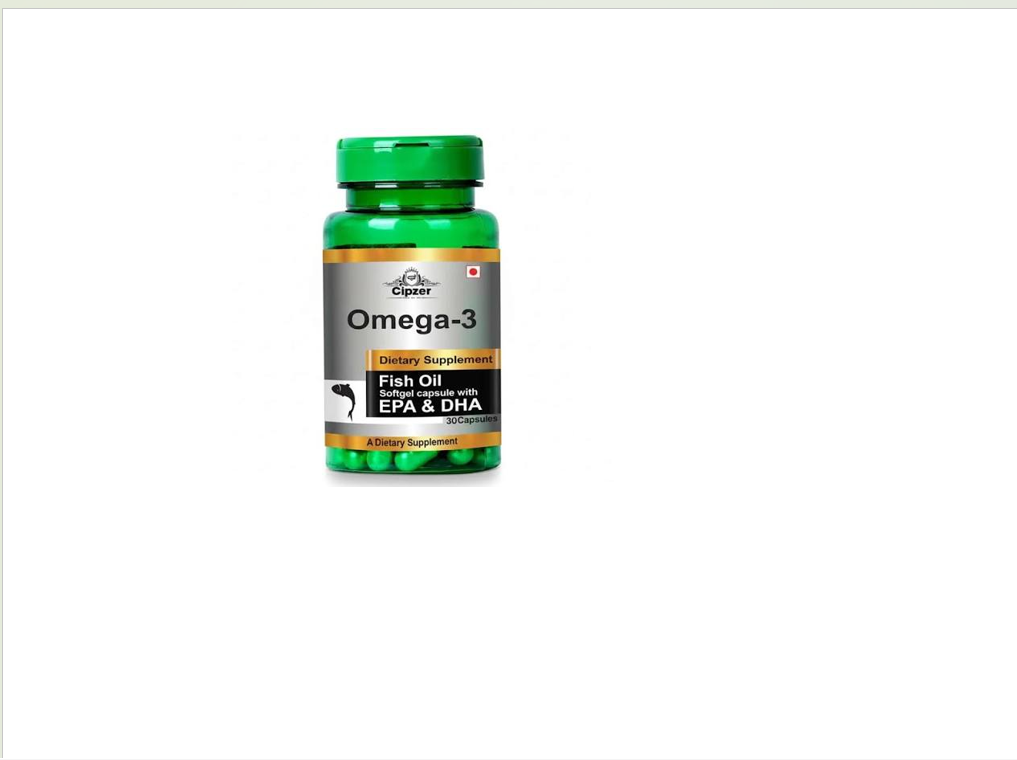
Omega-3 Capsules
Omega-3 fatty acids are a type of polyunsaturated fat. We need these fats to build brain cells and for other important functions. Omega-3s help keep your heart healthy and protected against stroke. They also help improve your heart health if you already have heart disease.
Your body does not make omega-3 fatty acids on its own. You need to get them from your diet. Certain fish are the best sources of omega-3s. You can also get them from some plant foods.
Omega-3s and Your Heart
Omega-3s are good for your heart and blood vessels in several ways.
They reduce triglycerides, a type of fat in your blood.
They reduce the risk of developing an irregular heart beat (arrhythmias).
They slow the buildup of plaque, a substance comprising fat, cholesterol, and calcium, which hardens and blocks your arteries.
They help to slightly lower your blood pressure.
These healthy fats may also help with cancer, depression, inflammation, and ADHD. Health experts are still discovering all the possible benefits of omega-3 fatty acids.
How Much you can eat
The American Heart Association (AHA) recommends eating at least 2 servings a week of fish rich in omega-3s. A serving is 3.5 ounces (100 grams), which is slightly bigger than a checkbook. Oily fish rich in omega-3s include:
Salmon
Mackerel
Albacore tuna
Trout
Sardines
Fish and Safety
Some fish can be tainted with mercury and other chemicals. Eating tainted fish can pose health risks for young children and pregnant women.
If you are concerned about mercury, you can reduce your risk of exposure by eating a variety of fish.
Pregnant women and children should avoid fish with high levels of mercury. These include:
Swordfish
Shark
King mackerel
Tilefish
If you are middle-aged or older, the benefits of eating fish outweigh any risks.