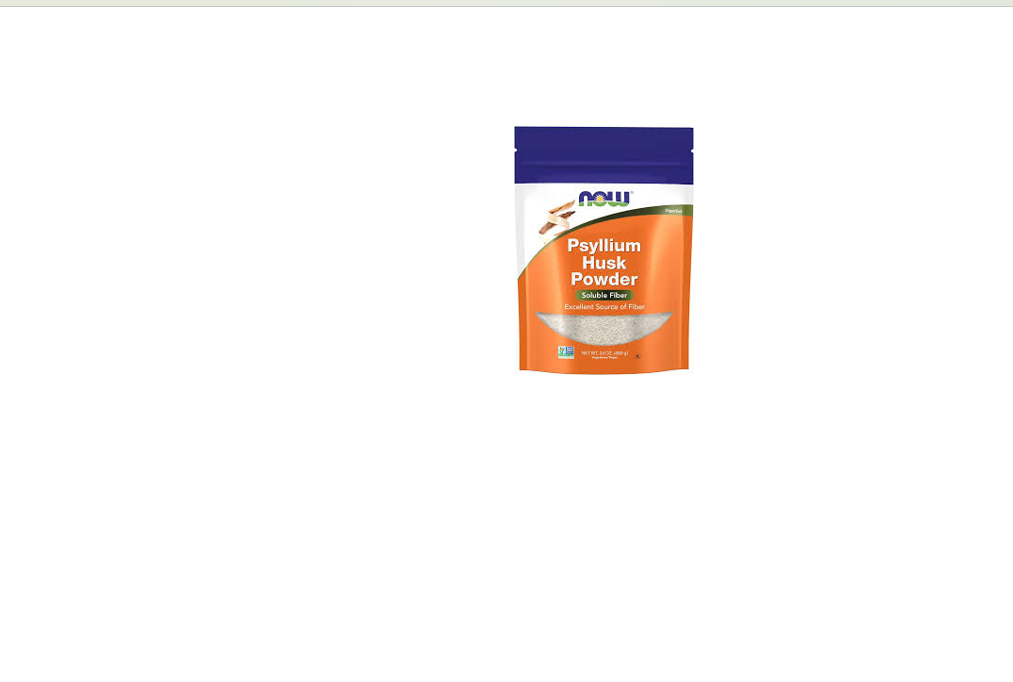
Psyllium Husk
Psyllium (/ˈsɪliəm/), or Isabgol[1] or ispaghula (/ˌɪspəˈɡuːlə/), is the common name used for several members of the plant genus Plantago whose seeds are used commercially for the production of mucilage. Psyllium is mainly used as a dietary fiber to relieve symptoms of both constipation and mild diarrhea, and occasionally as a food thickener.[2] Allergy to psyllium is common in workers frequently exposed to the substance.
It is generally safe and moderately effective as a laxative.[3][4] Use of psyllium in the diet for three weeks or longer may lower blood cholesterol levels in people with elevated cholesterol,[5][6] and may lower blood glucose levels in people with type 2 diabetes.[7] Use of psyllium for a month or longer may produce a small reduction in systolic blood pressure.[8]
The plants from which the seeds are extracted tolerate damp and cool climates, and are mainly cultivated in northern India.