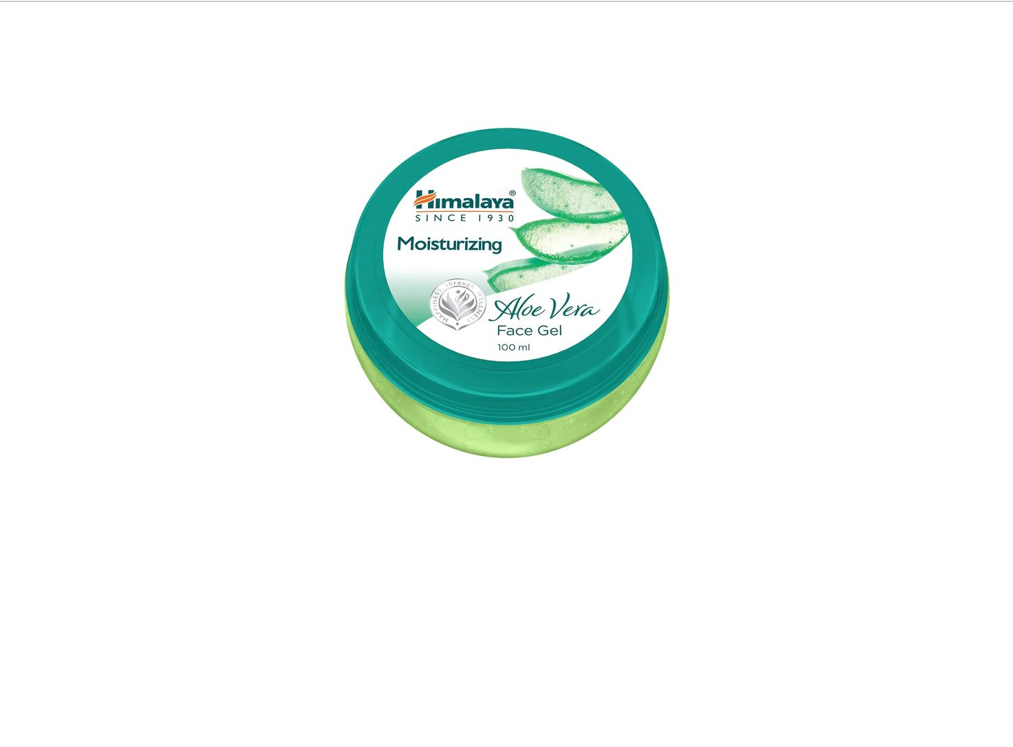
Aloe Vera Gel
The aloe vera we use on our skin in over-the-counter (OTC) gels is derived from plants of the same name.
There’s more than one kind of aloe, with an estimated 420Trusted Source different species. The most commonly used form for skin conditions is a plant called Aloe barbadensis Miller.
In conventional medicine, aloe vera is used as a topical gel, which is made from the gel-like substance inside the plant’s leaves. It’s also possible to use the leaves directly by breaking them apart and pressing out the gel.
However, it’s much easier to use gel that’s ready to go, especially in the case of emergency burns and wounds. OTC aloe gel may also contain other skin-soothing ingredients, such as echinacea and calendula.
Benefits of aloe vera on the face
Using aloe vera gel or products that contain it on the face may have benefits for certain skin issues.
If you have a chronic skin condition or have concerning skin symptoms, it’s a good idea to check with a dermatologist before applying any products to your face. Talk with your doctor about the following potential benefits of aloe vera.
1. Burns
Aloe may help speed up the healing of minor burns. A 2023 review of research compared topical aloe vera gel to silver sulfadiazine and other herbal remedies on people with second-degree burns. Multiple studies found that aloe vera is more effective. Its antimicrobial properties may also help prevent infection.
It may also helpTrusted Source with burns from radiation therapy.
However, if you have a second-degree or worse burn, it’s best to practice first aid for burns and talk with a doctor before treating it at home, especially if the burn is large. Severe burns require urgent medical attention.
For minor burns, apply aloe vera gel to the affected area. You may also need to protect the area with gauze.
2. Sunburn
The American Academy of Dermatology Association recommends using a product containing aloe vera to soothe sunburn. It may have moisturizing and anti-inflammatory effects that can help relieve discomfort.
However, it’s important to note that research doesn’t suggest aloe vera heals or prevents sunburn.
3. Small abrasions
It may also help support wound healing.
If you’ve scuffed up your chin or forehead, you can try applying aloe vera for relief from pain and burning sensations.
4. Cuts
If you don’t have Neosporin for a minor cut, you can try applying aloe vera instead. Its molecular structure helps heal wounds and minimizes scarring by supporting collagen production and reducing the risk of bacterial growth in the wound.
5. Dry skin
Aloe vera gel absorbs easily, making it ideal for oily skin. However, it can help treat dry skin, too. Consider using aloe vera in addition to your regular moisturizer to help seal moisture into your skin.
6. Cold sores
Unlike canker sores, cold sores develop on the outside of your mouth. Aloe vera may help treat the herpes virus, which is also the underlying cause of cold sores. Apply a small amount of the gel to your cold sore twice daily until it goes away.
7. Acne
Due to the anti-inflammatory effects of aloe vera, the gel may help treat inflammatory forms of acne, such as pustules and nodules. Apply the gel with a cotton swab directly to the pimple three times daily.
The National Center for Complementary and Integrative Health (NCCIH) suggestsTrusted Source that aloe vera may help relieve acne when used in conjunction with other forms of treatment.
8. Psoriasis
Aloe vera may help relieveTrusted Source inflammation and itchiness from psoriasis. For best results, apply aloe vera gel twice daily to the affected area of skin.
9. Eczema
The moisturizing effects of aloe may possibly help relieve discomfort of dry, itchy skin associated with eczema or seborrheic dermatitis. While this oily form of eczema is most often found on the scalp, it can also affect parts of your face and behind the ears.
However, research hasn’t shownTrusted Source that it’s effective for treating eczema.
10. Frostbite
People historically used aloe vera for frostbite, and research suggests it may have some effectiveness. However, frostbite is a serious condition that requires emergency medical treatment. Medical treatments are more effective than aloe vera for frostbite.
If you may have frostbite, it’s best to practice first aid for frostbite and get urgent medical care, especially if your frostbite is stage 2 or more severe